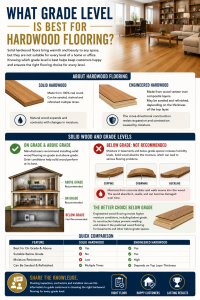
Installing a solid hardwood floor in the home or at the office can make the place feel warm and look beautiful. However, such flooring is not appropriate for every level of the home or office. Learning what grade level is best for hardwood flooring will help keep customers happy and allow installers and contractors to […]
Performing the ASTM F-2170-11 Test
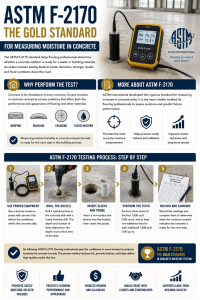
The ASTM F-2170 standard is important for measuring moisture, or relative humidity, in concrete. Flooring inspectors, flooring contractors, and others in the industry know that this test needs to be done to determine whether a concrete subfloor is ready for a sealer or whether it is ready to be built upon. Getting the most accurate […]
Inspection Process For Flooring Discolorations
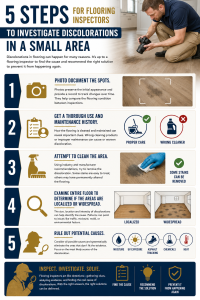
Small areas of flooring discoloration are common in both commercial and residential properties. These discolorations can vary in size, color, and intensity depending on the cause. When discoloration appears, flooring inspectors must investigate the problem carefully. The inspector’s job is to determine what caused the discoloration and identify whether the issue may continue or spread. […]
Why are Ink Inhibitors Used in Sheet Floors?
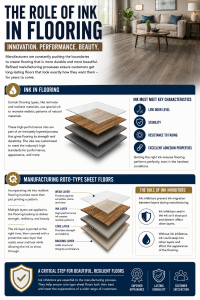
Manufacturers are constantly pushing the boundaries in discovering ways to make their flooring products more durable and more beautiful. The manufacturing process is refined and perfected so that customers get a long-lasting type of flooring that looks exactly how they want it for years to come. Ink in Flooring Manufacturers use special inks in certain […]
Sheet Vinyl, Instillation Over an Existing Floor
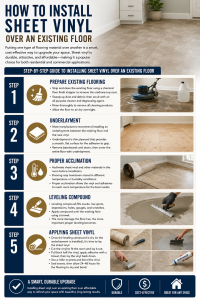
Putting one type of flooring material over another is pretty common, because most flooring can handle it when prepared properly, and it is much less expensive to just go over the top rather than spend time and money tearing up old flooring. Putting vinyl over an existing floor is one of the more popular options. […]
What Causes Hard Surface Floors to Turn Yellow
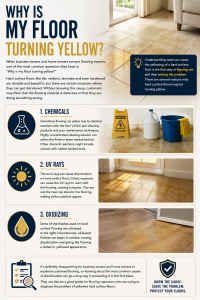
When business owners and homeowners contact flooring experts, one of the most common questions they ask is, “Why is my floor turning yellow?” Hard surface flooring materials such as tile, resilient flooring, laminate, and hardwood are known for their durability and appearance. However, certain conditions and environmental factors can still cause discoloration over time. Yellowing […]
What Problems Can Gypsum-based Patches Create?
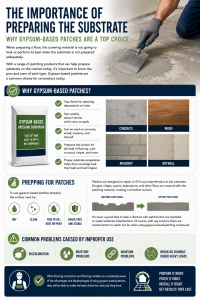
When preparing a floor, the covering material is not going to look or perform its best when the substrate is not prepared adequately. With a range of patching products that can help prepare substrates on the market today, it’s important to know the pros and cons of each type. Gypsum-based patches are a common choice […]
What Causes Resilient Flooring to Discolor from the Top Down?
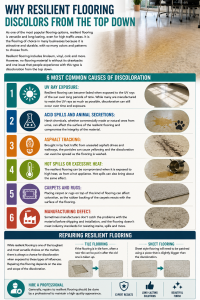
As one of the most popular flooring options, resilient flooring is versatile and long-lasting, even for high-traffic areas. It is the flooring of choice in many businesses because it is attractive and durable, with so many colors and patterns to choose from. Resilient flooring includes linoleum, vinyl, cork, and However, no flooring material is without […]
What Causes Grout to Break Up?
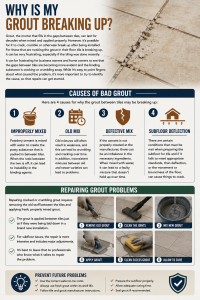
Grout, the mortar that fills in the gaps between tiles, can last for decades when mixed and applied properly. However, it can crack, crumble, or otherwise break up after being installed. Homeowners and business owners can become very frustrated when grout starts breaking apart in a tile floor. The problem can feel even more disappointing […]
What Causes Crowning and Cupping in Wood Floors?
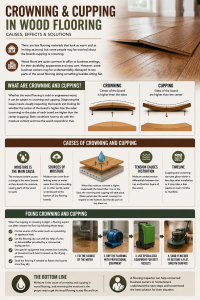
There are a few flooring materials that look as warm and as inviting as wood, but some people may be worried about the boards cupping or crowning. Wood floors are quite common in office or business settings, for their durability, appearance, and easy care. However, some business owners may be understandably dismayed to see parts […]
Recent Comments