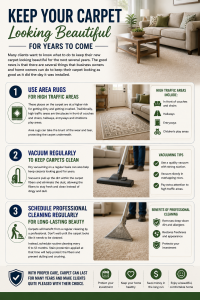
Many clients want to know what to do to keep their new carpet looking beautiful for the next several years. The good news is that business owners and homeowners can take several steps to keep their carpet looking as good as it did on installation day. The first thing to do is to use area […]
What is Type 6 Nylon?
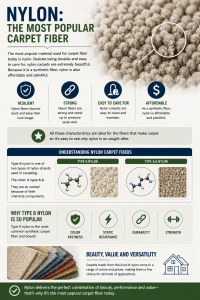
The most popular material used for carpet fiber today is nylon. Besides being durable and easy to care for, nylon carpets are extremely beautiful. Because it is a synthetic fiber, nylon is also affordable and plentiful. It is also resilient, strong, and stands up to pressure quite well. All these characteristics make nylon ideal […]
What is Polypropylene (Olefin)?
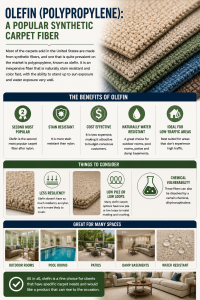
Manufacturers make most carpets sold in the United States from synthetic fibers, and polypropylene, known as olefin, is one of the most prevalent options on the market. It is an inexpensive fiber that is naturally stain resistant and color-fast, with the ability to stand up to sun exposure and water exposure very well. Olefin is […]
What is a 1/10 Tufting Machine?
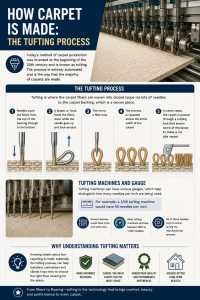
Today’s method of carpet production was invented at the beginning of the 20th century and is known as tufting. Machines automate the entire process, and manufacturers use it to make most carpets. Tufting uses many needles. These needles weave carpet fibers into closed loops. They insert the fibers into the carpet backing. The backing forms […]
What is Vitreous Tile?
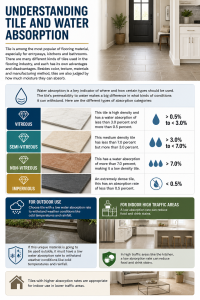
Tile is among the most popular of flooring materials, especially for entryways, kitchens, and bathrooms. The flooring industry uses many different kinds of tiles, and each type offers its own advantages and disadvantages. In addition to color, texture, materials, and manufacturing method, manufacturers and installers also judge tiles by how much moisture they absorb. Water […]
New App Available for Walkway Auditors
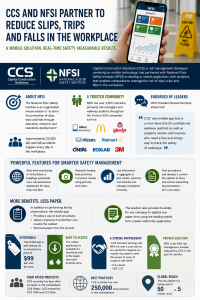
Capital Construction Solutions (CCS), a risk management developer centering on mobile technology, has partnered with the National Floor Safety Institute (NFSI) to develop a mobile application with analytics that enables companies to manage the risk of slips, trips, and falls in the workplace. The National Floor Safety Institute is an organization whose mission is “to aid in […]
Plasticizer Migration Causes What Problems in Sheet Vinyl?
Plasticizer migration out of sheet vinyl is something that is all too common in the flooring industry. The consequence of this is a range of floor compatibility issues that can lead to both short-term and long-term problems. Flooring installers need to know about the causes and solutions for this problem so they can make sure […]
What Will Solvents Do To Vinyl Floors?
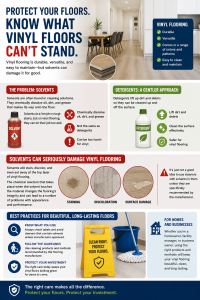
People consider vinyl flooring one of the most durable options on the market today. They install it in homes, schools, businesses, and more. Vinyl flooring comes in a wide range of colors and patterns. This variety makes it versatile. It is also easy to clean and maintain. That convenience makes it attractive to many users. […]
What is a Lack of Core Bond?
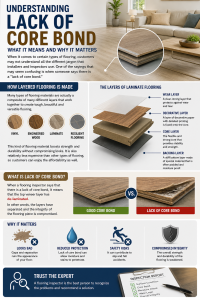
Customers may not understand all the jargon that installers and inspectors use. This is especially true with certain types of flooring. One of the sayings that may seem confusing is when someone says there is a “lack of core bond.” Customers must understand how manufacturers produce certain types of flooring before they can understand what […]
What Happens When Installers Find a Piece of Defective Wood Flooring?
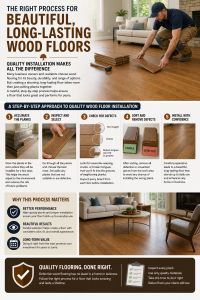
Many business owners and residents are choosing wood flooring because of its beauty, durability, and range of options. For those who are flooring installation experts, there’s a lot more to creating a lovely floor than just pushing wood planks together. The installer must watch for defective wood planks. These planks can ruin the floor’s appearance […]
Recent Comments