Flooristics, LLC

Article Search

Family Owned, Locally Operated
  • Home
  • Blog
    • Videos
    • Podcasts
    • Carpet and Rugs
    • Expert Witness
    • Floor Safety
    • Flooring Help
    • Hardwood and Laminate
    • Podcasts
    • Resilient
    • Tile and Stone
    • Tools
  • About
  • Contact
  • Floor Inspections
  • Expert Witness Services
  • Walkway Audits
    • Walkway Audit Process
    • OSHA “Qualified Person”

Making Different Sized Carpet Fibers

August 30, 2017 by Flooristics staff 3 Comments

Share Button

Knowing how carpeting is made gives you a real advantage, because clients always have many questions about it. When flooring contractors can answer their questions, they will be better able to steer them toward the floor coverings that will be best for their needs. Learning about the process pays off when installing carpet at the office or at home.

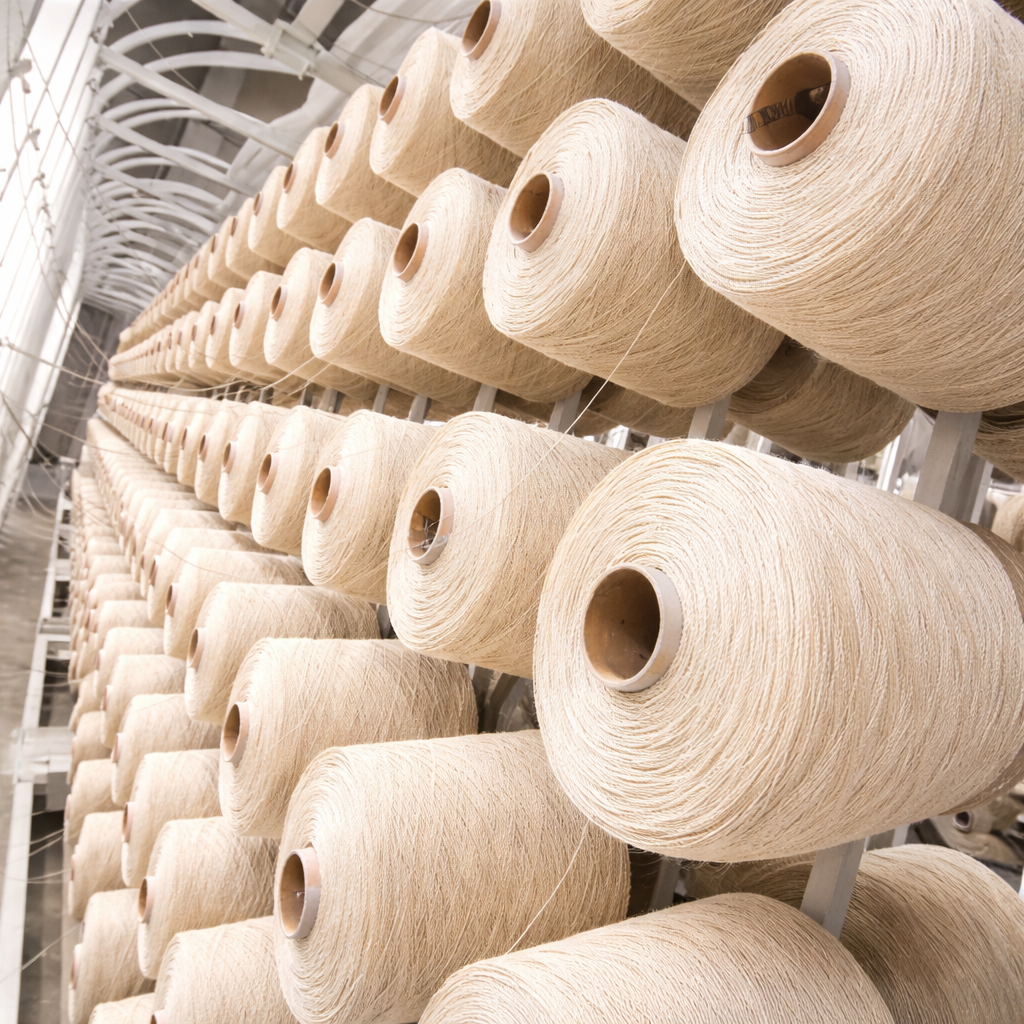
One of the key aspects of understanding carpet is knowing about the fibers. Manufacturers make most carpets today from nylon fibers or polypropylene. The material to make the fiber is put into its liquid state, then pushed into the spinneret. The spinning process starts with the flow of spinning fluid within the spinneret. As the process pushes the fluid through the holes of the spinneret, it experiences high stress and forms a long string that solidifies as it cools. The size and number of holes in the spinneret determine the type of carpet fiber produced.

Knowing the different parts of the carpet manufacturing process helps flooring contractors. It gives them a clearer understanding of each type. This knowledge also helps them evaluate performance aspects more effectively. They will then be able to recommend the best kind of carpet and recommendations for care and cleaning.

Filed Under: Carpet and Rugs

Trackbacks

  1. Nitrogen Dioxide Affects Installed Carpets - Flooristics, LLC says:
    April 18, 2026 at 12:28 pm

    […] the blue and violet colorations is especially sensitive to fading by nitrogen dioxide. When this fading or color change takes place in the carpet due to NO2, there is no way to reverse the […]

    Reply
  2. What is the Difference Between BCF and Staple Yarns? - Flooristics, LLC says:
    April 18, 2026 at 12:33 pm

    […] it comes to carpet manufacturing, there are two different classifications for the fiber systems: staple yarns and BCF (bulked continuous filament). Each one provides certain advantages and […]

    Reply
  3. Does Heat Set Carpet Last Longer? - Flooristics, LLC says:
    April 18, 2026 at 2:37 pm

    […] setting is a process that affects the carpet fibers. Heat setting enables them to stay more tightly twisted than fibers without heat setting. The […]

    Reply

Leave a Reply Cancel reply

Your email address will not be published. Required fields are marked *

Call Today! 1.801.574.0387

  • Email
  • Facebook
  • Pinterest
  • RSS
  • Twitter
  • YouTube

Recent Posts

A North Dakota Slip and Fall Expert Witness Discovers Facts

A slip and fall accident can be devastating for the victims who suffer from injuries. It can also … [Read More...]

How Do Inspectors Investigate Carpet Raveling?

Carpet raveling often triggers a carpet inspector to come to a job site. It’s important for the … [Read More...]

Recent Comments

  • Floating Wood Floors Over Existing Floors - Flooristics, LLC on Solid Wood Can Be Installed On What Grade Levels?
  • What Might Cause Discoloration in Lower Levels of Vinyl Flooring? - Flooristics, LLC on How To Install a Sheet Vinyl Over an Existing Floor
  • What Causes Poor Performance in a Hard Surface Floor? - Flooristics, LLC on What Surface Is More Resistant to Scuffing?

Contact Us

Flooristics, LLC
P.O. Box 91171
Salt Lake City, UT 84109
801.574.0387

View our Financial Disclosure. and Privacy Policy.
© 2014 Flooristics, LLC. All rights reserved.